


You walked out of the salon confident, but something felt off. The color looked great on the swatch — but against your skin, it read flat, tired, even grey. Sound familiar?
Most color mistakes happen before the dye touches your hair. People pick shades based on trends, not undertones. If you have warm skin, the rules are specific. Get them right and every shade you choose looks like it was made for you.
This guide covers 20 proven hair colors for warm skin tones — from blonde to deep black — with advice on which shades suit your depth, your eye color, and your lifestyle. You will also find technique tips, at-home product picks, and answers to questions most guides skip entirely.
How to Know You Have Warm Skin Tones
Before you pick a color, confirm your undertone. These four checks are the most reliable:
- Your wrist veins look greenish, not blue or purple, in natural light.
- Gold jewelry makes your skin look alive. Silver looks flat or dull.
- You tan easily and rarely burn in the sun.
- Earthy shades like camel, coral, olive, and mustard look good on you.
If these match, your skin carries golden, peachy, or yellow undertones. Warm undertones fall across a wide range of skin depths — fair peachy skin, medium golden or olive skin, and deep rich skin all count as warm.
Your hair color should pull from the same warm palette: golden, honey, copper, caramel, mahogany, and brown-toned black. Cool shades like ash, platinum, icy silver, and blue-black will work against your natural glow.
Warm Blonde Hair Colors
1. Golden Blonde

Think of this as the blonde that was actually designed for warm skin. It is buttery, soft-gold, and sits comfortably between platinum and caramel — far enough from icy to never read cold. In indoor light, golden blonde looks polished and intentional. Step outside and it shifts, picking up the warmth already in your skin and turning the whole effect luminous. If you have fair to medium warm skin with hazel or blue eyes, this is the shade that will make people ask which salon you go to. Ask your colorist for babylights rather than chunky highlights — the result looks dimensional and natural, not striped.
2. Honey Blonde
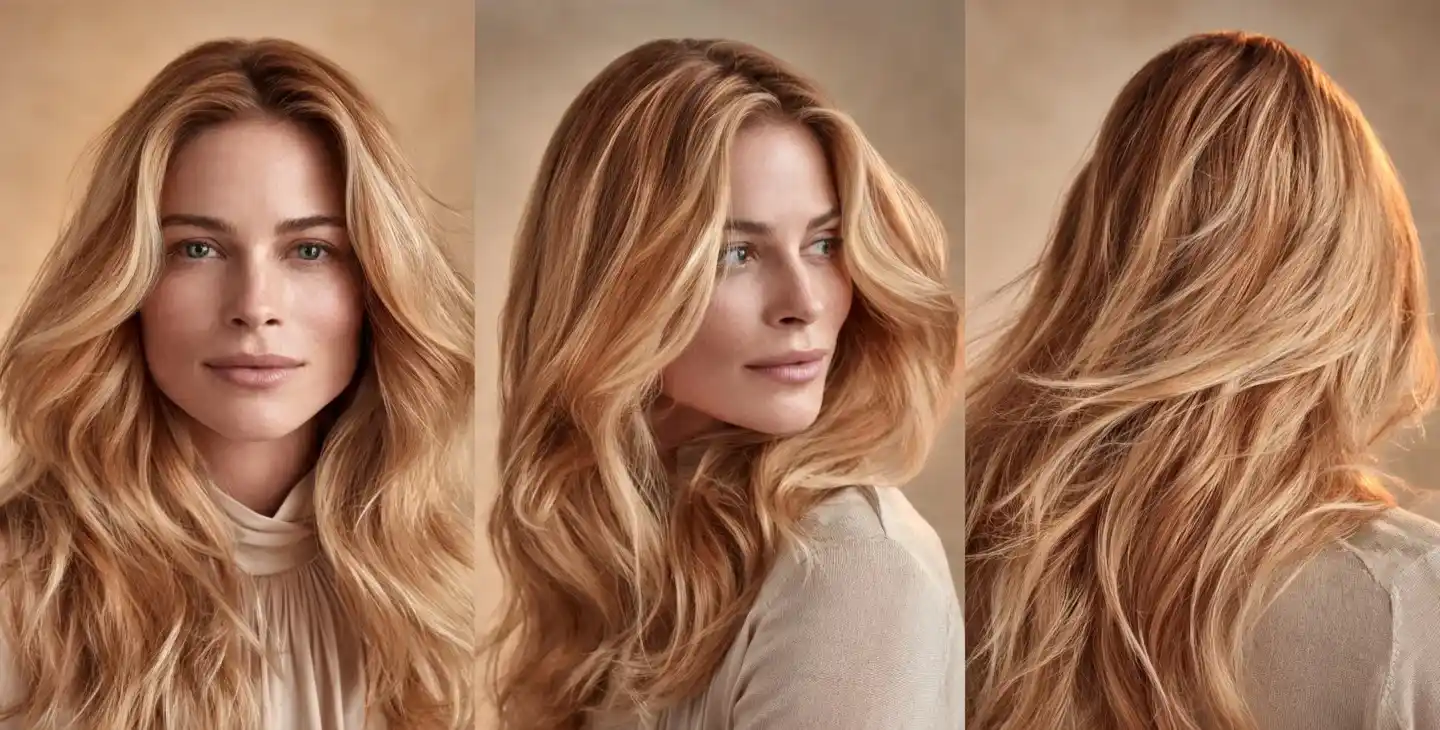
Honey blonde does something most blondes fail to do on warm skin: it warms the face rather than draining it. The gold and amber in this shade pull toward each other in a way that feels sun-kissed rather than salon-processed. If you have hazel eyes, this shade is almost unfair — the golden threads in honey blonde echo the warm flecks in the iris and make your eye color look richer and more layered. Works best on fair to medium warm skin, and balayage is the technique that gives it the most natural finish.
3. Strawberry Blonde

This shade lives at the meeting point of blonde and red, and that is exactly what makes it interesting. It has a soft peachy warmth that suits fair warm and peachy skin perfectly. It is bold enough to feel chosen rather than accidental, but gentle enough to wear every day without it feeling like a statement. In golden-hour light, strawberry blonde photographs beautifully — the warm tones catch the sun in a way that more neutral blondes simply do not. A gloss refresh every four to six weeks keeps the peachy warmth from fading into a flat, washed-out yellow.
4. Caramel Blonde

Caramel blonde is one of the smartest choices for anyone on warm skin who wants blonde without the high-maintenance reality of full bleach. Your colorist hand-paints the caramel tones through the mid-lengths and ends, leaving a darker root that grows out naturally. The result looks intentional at eight weeks, twelve weeks, even beyond. Medium warm and olive skin tones especially benefit from this shade — the caramel warmth complements the golden undertone in the skin without going too light. Ask for a warm caramel toner, never an ash one.
5. Buttery Blonde

If every blonde you have ever tried looked slightly grey or flat by the time you got home, buttery blonde is probably what you should have asked for. There is no ash in it, no cool pull, nothing that reads silvery under fluorescent light. It is warm at every light level. Fair warm skin tones with blue or hazel eyes suit this shade especially well — the contrast between the warmth of the hair and the coolness of blue eyes creates something striking without looking artificial. Fine babylights give the best finish here, mimicking how very fair hair naturally lightens.
Warm Brown Hair Colors
6. Honey Brown
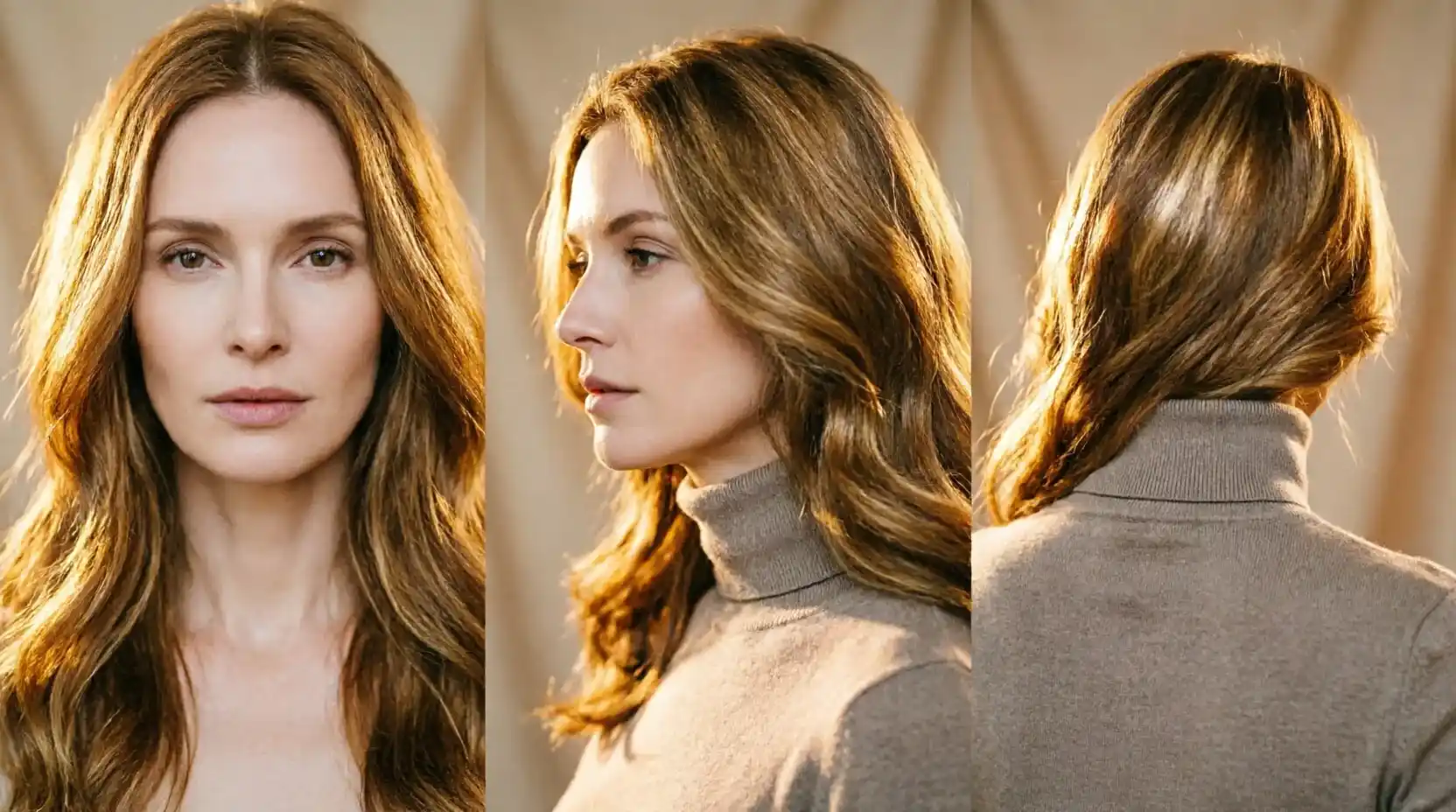
Honey brown is the shade I recommend most often to women who want a refresh but are not ready for blonde. It sits between a warm brown and a light bronze, and on medium warm or golden skin it adds the same face-brightening effect as a lighter color — without the bleach, the maintenance, or the grow-out drama. Roots blend naturally because the base stays close to most natural brunette shades. A honey or caramel color-depositing mask once a week is all the upkeep it needs between salon visits.
7. Golden Brown
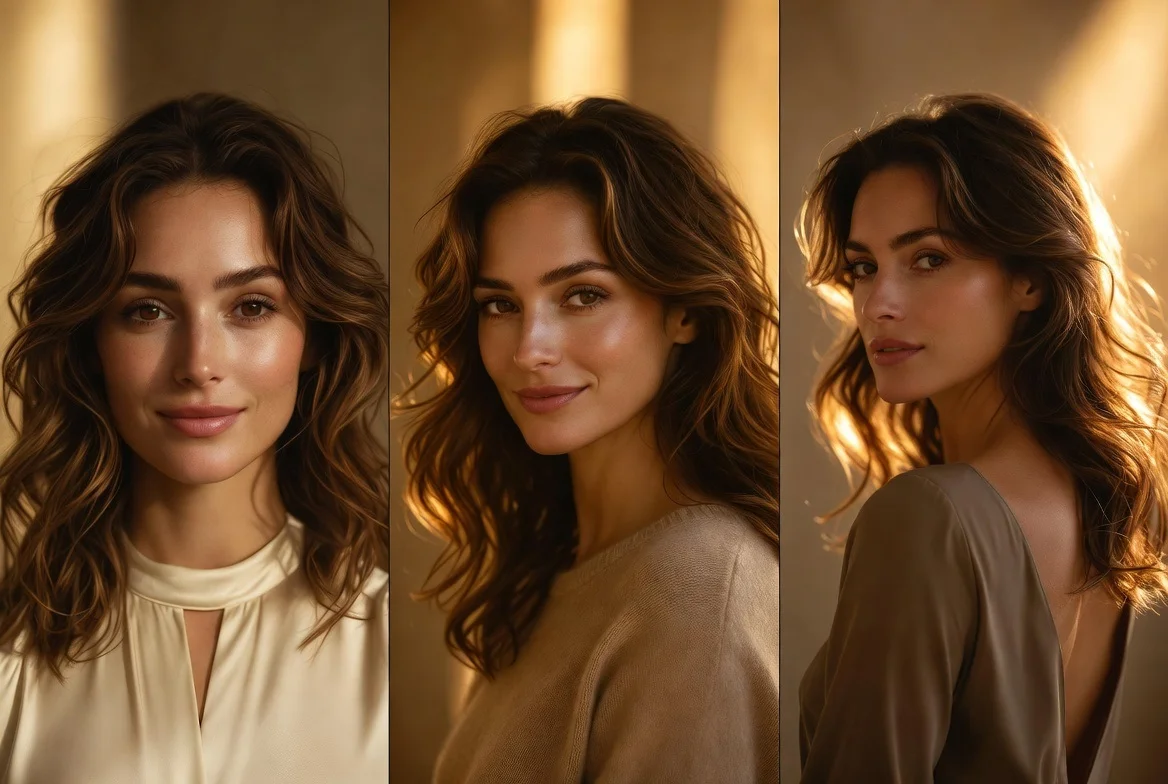
Golden brown has a personality that changes with the light, and that is what makes it worth choosing. Inside, it reads as a rich, sophisticated brown. Walk into natural light and threads of gold appear through the mid-lengths, giving the hair a warmth and movement that feels entirely natural. Medium and olive warm skin tones respond particularly well to this shade, and if you have brown or hazel eyes, the golden flecks in the hair mirror the warm tones in the iris in a way that ties the whole look together. A warm golden toner is the finishing step that makes the difference.
8. Chestnut Brown
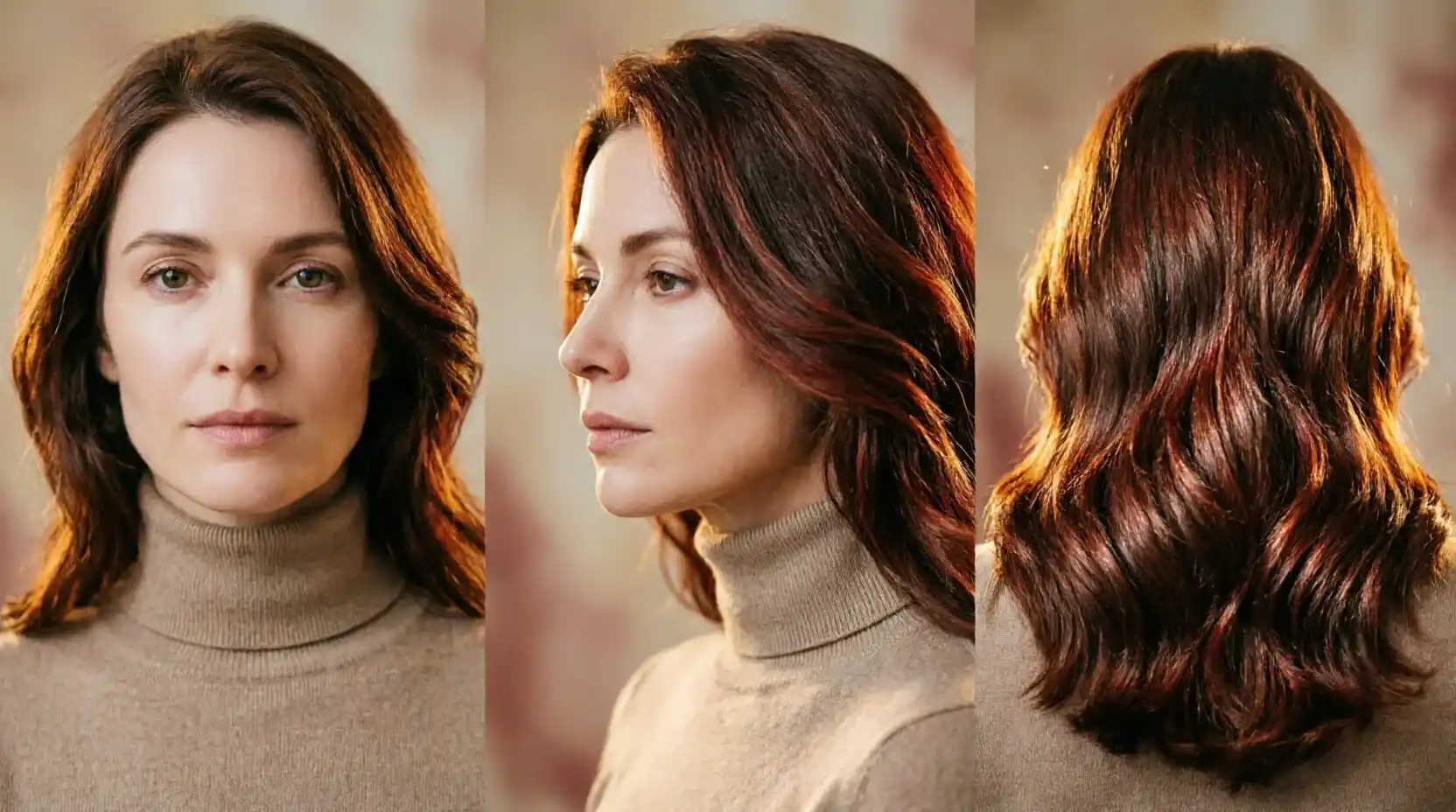
Chestnut brown is a medium-deep brown with red undertones woven quietly through the base. The red is not loud — you do not look like you have dyed red hair. It simply gives the brown a warmth and depth that flat, single-process colors lack. Green eyes do particularly well with this shade. The subtle red in the chestnut creates a natural contrast that makes green eyes appear more vivid and defined. A red-enhancing gloss treatment every four to six weeks keeps that depth from going muddy.
9. Chocolate Brown

Chocolate brown is the shade you choose when you want depth without drama. It is deep, glossy, and rich with warm undertones — the kind of brown that looks polished at a formal event and just as good on a regular Tuesday. On medium to deep warm skin it sits beautifully, never pulling grey or flat the way a cool-based brown can. Because the base is so deep, grow-out is gradual and forgiving. A sulfate-free shampoo and cool water rinse are the two habits that keep the gloss alive longest.
10. Caramel Brown

What makes caramel brown interesting is the placement as much as the color itself. A medium brown base with warm caramel highlights placed through the hair, concentrated around the face, does two things at once: it brightens the complexion and softens the face shape. Square face shapes and strong jaw lines in particular respond well to face-framing caramel placement. If you are a natural brunette trying color for the first time, this is the most flattering and low-risk starting point on warm skin.
11. Toffee Brown

Toffee brown is warmer than a standard brown but less committed than honey brown. It is a creamy light-medium shade with hints of red and gold folded through the base — enough warmth to notice, not enough to feel bold. For fair warm skin that wants a change from a flat, neutral brown but is not ready to go lighter, toffee is the most natural-feeling step. Skin tends to look clearer and more even against this shade, especially in photos. A warm caramel or copper gloss on top adds a layer of shine that lifts the whole look.
Warm Red and Copper Hair Colors
12. True Copper

Copper is not a subtle shade, and it is not trying to be. On medium to deep warm skin, true copper does something remarkable — it amplifies the gold in your undertone rather than clashing with it, which is exactly what separates copper from most other reds on warm skin. The one thing to know going in is that copper fades faster than almost any other color. Reds lift out of the hair quickly, and without maintenance, copper turns brassy and dull within weeks. A copper-depositing mask used weekly and a sulfate-free shampoo are not optional — they are what keep this shade looking intentional.
13. Cinnamon

Cinnamon is what you choose when you want the warmth of a red without the commitment of wearing one. It is brown at its base with a soft red layer underneath that only reveals itself in direct or bright light. In a dim room or under office lighting, it reads as a warm, rich brown. Outside, the red surfaces and the whole shade comes alive. Medium warm and olive skin tones suit cinnamon well, and hazel or green eyes in particular make a strong pairing. It is an easy color to live with in professional settings because most of the time, it simply reads as a beautiful warm brown.
14. Auburn

Auburn has a quality that very few hair colors have: it ages well. It is a deep reddish-brown that carries the richness of a red and the elegance of a brown in equal measure, and it suits warm skin across every decade. Younger women find it bold and striking. Women in their 40s and beyond find it flattering and sophisticated without veering into trying-too-hard territory. Medium warm skin is the best match. The main maintenance task is a gloss or toner refresh every six weeks — without it, auburn can shift muddy rather than warm.
15. Mahogany

Mahogany is a burgundy-brown, deeper than auburn and richer than a standard brown, with red-violet undertones that catch light in a way that photographs beautifully. In real life it is polished and wearable. In photographs, especially with direct flash or studio light, the red-violet depths surface and the shade looks genuinely dramatic. Medium to deep warm skin suits mahogany best — on very fair warm tones, the depth can feel too intense at the roots. If you have seen Priyanka Chopra’s hair in Pantene campaigns and wondered about the shade, this is it.
16. Ginger Spice

Ginger spice is an orange-red with warmth rather than harshness. It is bolder than cinnamon but considerably softer than a true copper, sitting in a middle range that reads as lively without looking jarring. On fair to medium warm skin, particularly with green or hazel eyes, it has a natural quality that most dyed reds lack. The warmth of the shade blends with the warmth in the skin rather than contrasting against it. If you are curious about red but not sure you want to fully commit, a semi-permanent ginger spice formula is a good way to test the look before going permanent.
17. Cherry Cola

Cherry cola is for deep warm skin that wants drama without high maintenance. The base is a deep, polished brown with subtle cherry-red tones folded in. Indoors, in most light conditions, it reads simply as a rich, refined brown — completely office-appropriate, not at all loud. Step into direct sunlight and the cherry flashes appear, warm and unexpected, like a detail that rewards a second look. The red-brown balance means upkeep is more forgiving than a full red or copper. A color-depositing mask in red-brown once a week is enough to keep the cherry tone visible rather than faded.
Warm Black and Deep Shades
18. True Warm Black

Most people do not realize there are two kinds of black hair color: warm black with brown undertones and cool black with blue ones. On warm skin, the difference is visible. Cool black with blue undertones can make golden or peachy skin look ashy, even grey. Warm black reflects light back into the face in a way that feels alive. If you have ever loved your natural black hair but found that box dye blacks left you looking flat, it is almost certainly because the formula had a cool base. Ask your colorist specifically for a warm black with brown undertones and no blue base. A gloss treatment every six to eight weeks maintains the depth.
19. Espresso
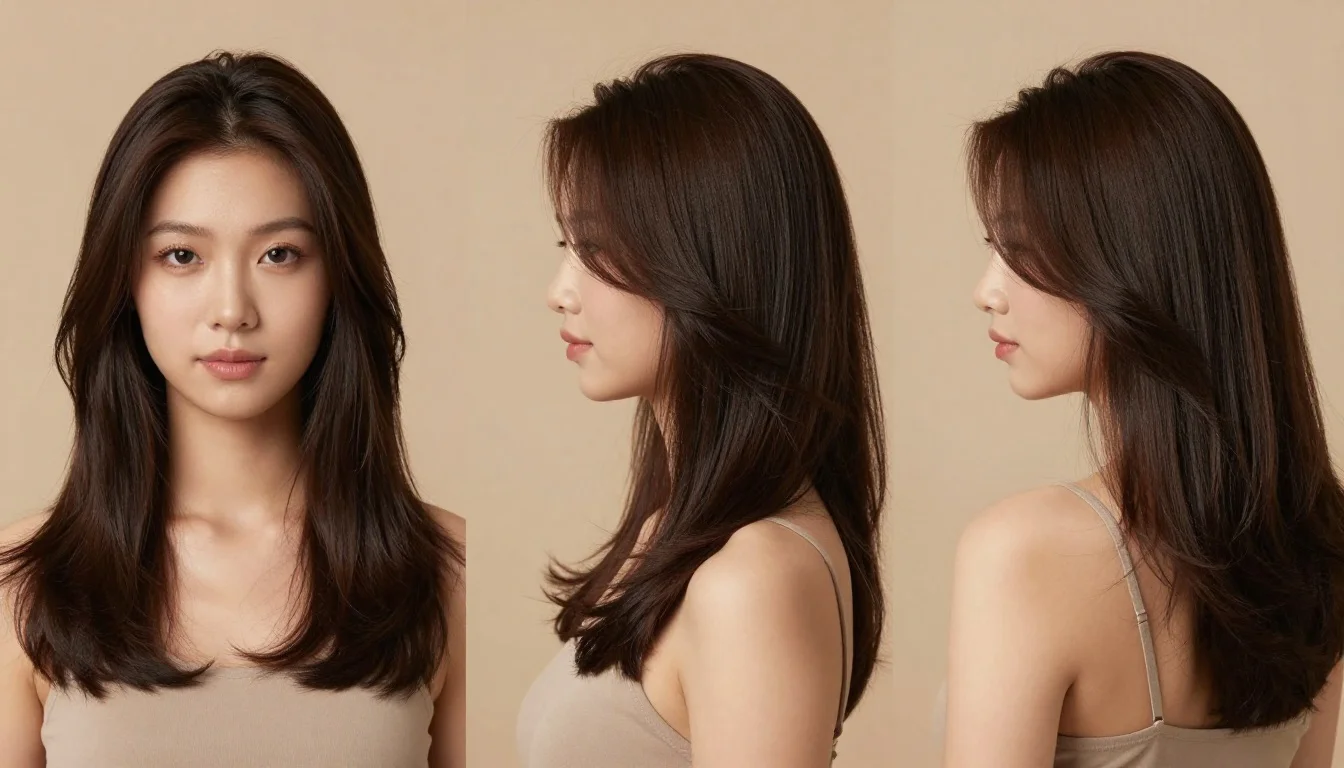
Espresso is the darkest brown that exists — close enough to black that most people cannot tell the difference indoors. In direct sunlight, a cocoa warmth surfaces that softens the overall look and prevents the flatness that all-over black can sometimes create. If you love the depth of black but find it too stark against your skin, espresso gives you nearly all of that depth with a fraction more warmth. It is also one of the most forgiving shades at the roots — because the base is so dark, grow-out blends quietly for weeks before it needs attention.
20. Black Cherry

Black cherry is near-black in almost every situation. At a desk, in a meeting room, in most indoor environments, it simply reads as a deep, elegant dark shade. But step into direct or bright light and something shifts — red-violet depths surface briefly, warm and rich, before fading back as the light changes. It is a detail rather than a statement, and that restraint is exactly what makes it appealing for deep warm skin. Cooler months suit this shade particularly well. A red-depositing mask once a week keeps the cherry tone visible, and a UV-protective hair product limits sun-related fade.
Match Your Color to Your Skin Depth
Not all warm skin is the same. Here is a straightforward guide by depth:
| Skin Depth | Best Hair Colors |
|---|---|
| Fair warm (peachy, light golden) | Strawberry blonde, buttery blonde, golden blonde, toffee brown, ginger spice |
| Medium warm (golden, honey, olive) | Honey blonde, caramel blonde, golden brown, honey brown, chestnut brown, auburn, cinnamon |
| Deep warm (rich golden, ebony) | Chocolate brown, mahogany, cherry cola, warm black, espresso, black cherry |
Match Your Color to Your Eye Color
The right color creates harmony between your hair and your eyes. Here is how to align them:
| Eye Color | Best Hair Colors |
|---|---|
| Hazel | Honey blonde, caramel brown, auburn, golden brown |
| Brown | Chocolate brown, chestnut brown, mahogany, espresso |
| Green | Copper, cinnamon, strawberry blonde, chestnut brown |
| Blue | Buttery blonde, golden blonde, honey blonde |
| Amber | Caramel highlights, ginger spice, toffee brown |
| Dark brown or black | Espresso, warm black, cherry cola, black cherry |
Balayage vs Highlights vs All-Over Color: Which Technique Is Right for You?
The shade matters, but so does the technique. These are the three most common options for warm skin:
All-over color deposits one shade from root to end. It gives maximum coverage, suits gray blending, and works well with deep shades like chocolate brown, warm black, and espresso.
Balayage is a freehand painting technique that places lighter tones through the mid-lengths and ends. The grow-out is gradual and natural-looking. Caramel balayage, honey balayage, and golden brown balayage are particularly popular on warm skin because they mimic how sunlight naturally lightens hair.
Face-framing highlights place lighter color specifically around the hairline and face. They brighten the complexion without full-head commitment and work especially well for caramel brown and honey brown.
If you are new to color, balayage is typically the most forgiving starting point. Grow-out is slow, touch-ups are less frequent, and the overall result looks intentional even at 12 weeks post-appointment.
Colors Warm Skin Should Avoid
These shades will work against your natural undertones regardless of how well they are applied:
- Icy platinum or ash blonde
- Blue-toned or cool black
- Ash brown or cool taupe
- Pastel blue or silver
- Cool lavender or icy lilac
Any shade described as “ash,” “cool,” “icy,” or “platinum” is designed for cool undertones. On warm skin, these shades create a muted, washed-out effect and can make the complexion appear dull or unwell.
At-Home Color: What to Buy and What to Avoid
If you color at home, search for these shade names. Avoid anything labeled “ash” or “cool” in the name.
| Brand | Good Warm Shades |
|---|---|
| L’Oreal Paris Excellence / Feria | Golden Blonde, Honey Blonde, Copper, Auburn |
| Garnier Nutrisse | Honey Butter, Dark Chocolate, Warm Auburn |
| Clairol Nice’n Easy | Natural Golden Blonde, Light Auburn, Dark Warm Brown |
| Revlon Colorsilk | Rich Chestnut, Mahogany, Golden Blonde |
For semi-permanent options, brands like Wella Color Charm and Schwarzkopf Simply Color offer warm tones with gentler formulas. These work well if you want to test a shade before committing to permanent color.
How to Keep Your Warm Color Vibrant
Color fades. How you maintain it determines how long it looks fresh between appointments.
- Use a sulfate-free, color-safe shampoo and wash with lukewarm or cool water. Hot water opens the hair cuticle and accelerates fade.
- Apply a color-depositing mask once a week matched to your shade: copper or red for warm reds, honey or golden for blondes, chocolate or auburn for warm browns.
- Limit heat styling. When you do use heat tools, apply a thermal protectant first.
- Book a gloss or toner treatment every 4 to 6 weeks. This refreshes the tone and restores shine between color appointments.
- Apply a UV-protecting hair product before extended sun exposure. UV rays are a significant driver of color fade, particularly for reds and coppers.
Special Considerations: Lupus, HRT, and Sensitive Scalps
Can I color my hair if I have lupus?
Many people with lupus color their hair safely, but the condition and certain medications can make the scalp sensitive and the hair more fragile. Opt for ammonia-free or semi-permanent formulas. Always do a patch test 48 hours before any full application. Let your colorist know about your condition and medications before the appointment.
This is general information, not medical advice. Always speak with your doctor before making changes to your hair care routine if you have a medical condition.
Does HRT affect hair color?
Yes. Hormone replacement therapy can change your hair’s texture, porosity, and how it absorbs pigment. A color that always worked may take differently after starting HRT — appearing darker, lighter, or with a different tone than expected.
Do a strand test before any full color application. Tell your colorist when you started HRT so they can adjust processing time and product selection accordingly.
Celebrity Inspiration by Skin Depth
These are globally recognized faces whose hair colors have been confirmed in beauty campaigns. Take their photos to your colorist as reference:
| Celebrity | Campaigns | Skin Depth | Shade |
|---|---|---|---|
| Beyonce | L’Oreal Paris | Medium warm | Honey blonde |
| Jennifer Lopez | L’Oreal Paris | Medium warm | Caramel balayage |
| Zendaya | Lancome | Light-medium warm | Chestnut brown |
| Priyanka Chopra | Pantene | Medium-deep warm | Mahogany |
| Emma Stone | Revlon | Fair warm | Strawberry blonde |
| Deepika Padukone | L’Oreal Paris | Medium warm | Warm black |
Frequently Asked Questions
What hair color looks best on warm skin tones?
Golden blonde, honey brown, caramel, chestnut brown, warm black, and mahogany are the most universally flattering choices. The best specific shade depends on your skin depth and eye color. Use the tables in this guide to narrow down your options.
Can warm skin tones wear blonde?
Yes. The key is choosing the right type of blonde. Honey, golden, caramel, buttery, and strawberry blondes are all warm-based and work well. Icy, platinum, and ash blondes are cool-based and will work against warm undertones.
What is the best hair color for olive skin?
Olive skin is a medium warm undertone. Golden brown, chestnut brown, caramel balayage, honey brown, and auburn are the strongest choices. These shades complement the green-yellow warmth in olive skin without clashing.
What is the best hair color for tan skin?
For tan skin with warm undertones, copper brown, caramel blonde, golden brown, and chocolate brown work particularly well. These shades amplify the natural warmth in tan skin rather than fighting it.
What about bold or fantasy colors?
Warm skin tones carry certain bold colors extremely well. Fire-engine red, warm plum, peachy coral, and even warm teal can look stunning. Avoid pastel blues, icy silver, cool grey, and cool lavender, which will clash with your undertones regardless of application quality.
What balayage looks good on warm skin?
Caramel balayage, honey balayage, and golden brown balayage are the three most popular choices for warm skin. They mimic natural sun-lightening and grow out gracefully, making them ideal for anyone who wants a low-maintenance warm color.
Which shades are best for warm skin with gray coverage needs?
Golden brown, honey brown, and warm auburn are excellent choices for blending gray on warm skin. These shades cover gray effectively while maintaining a natural, warm appearance. Avoid ash-based formulas even when marketed as gray coverage.
Your Next Step
The right shade does not just change your hair — it changes how your whole face reads. Warm skin has a specific language. Stick to golden, honey, copper, caramel, auburn, mahogany, and warm-toned blacks, and you will never walk out of a salon looking tired again.
Pick your shade from this list, bring it to your colorist, and tell them you want a warm-based formula with no ash in the toner. That single instruction prevents the most common mistake made on warm skin.
If you are coloring at home, choose a box labeled with any of the warm terms above and do a strand test first.
This article does not constitute medical advice. If you have a medical condition, consult your healthcare provider before making changes to your hair care routine.

