

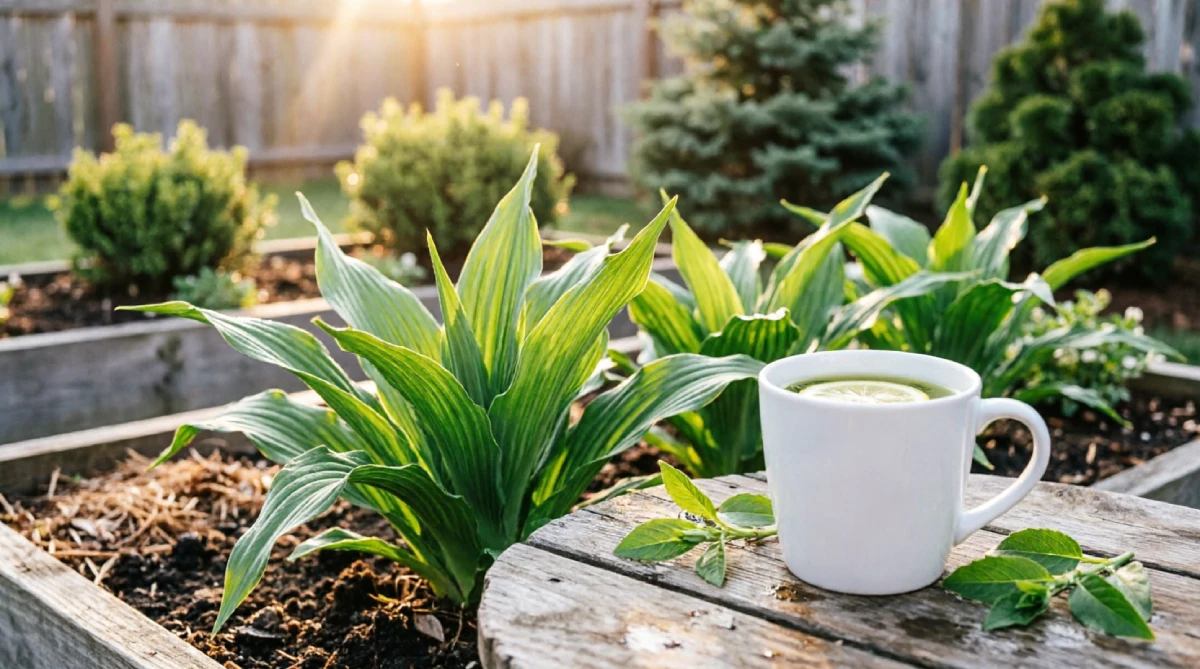
Most people walk past the most useful plants in the garden without a second glance. Lyposingrass might be one of them.
You’ve probably seen it listed alongside other wellness herbs or spotted it on a gardening forum and thought, what even is that?
Here’s the short answer: it’s a hardy perennial grass with a surprisingly deep resume. One plant that covers immune support, gut health, drought tolerance, soil care, and more — and it grows well in a backyard garden with minimal fuss.
The benefits of lyposingrass have been recognized across Southeast Asia for generations. Now, US homeowners and wellness-focused gardeners are starting to pay attention, and for good reason. Whether you’re looking for a low-maintenance addition to your yard or a new plant-based ingredient to add to your routine, this one checks a lot of boxes.
Here are 10 benefits worth knowing about.
1. Strengthens Your Immune System with Natural Antioxidants
Your immune system works hard year-round — especially during cold and flu season. Lyposingrass can give it some backup. A 100g serving of fresh leaves contains roughly 25% of your daily vitamin C, plus a solid mix of antioxidants and micronutrients that help your body defend itself more effectively. Vitamin C plays a direct role in stimulating white blood cell production, which means your body gets better at fighting off what’s coming before it takes hold.
The antioxidants — including flavonoids and polyphenols — take it a step further by reducing oxidative stress in the body. That’s the kind of cellular wear-and-tear that builds up over time and makes you feel rundown. A daily cup of lyposingrass tea may support your body’s natural defenses without needing a supplement cabinet full of bottles.
Pro Tip: Brew lyposingrass tea in the morning using fresh or dried leaves. Add a squeeze of lemon to increase vitamin C absorption and balance the grassy flavor.

2. Improves Digestive Health with Every Cup
If bloating or irregular digestion is something you deal with, lyposingrass is worth a closer look. Each 100g of leaves contains 6g of dietary fiber — that’s solid for a plant-based source. Fiber keeps things moving through your digestive tract, feeds the good bacteria in your gut, and helps reduce that uncomfortable after-meal bloating that so many people just accept as normal.
Traditionally, lyposingrass tea has been used across Southeast Asia for digestive relief. The bioactive compounds, including aromatic oils, are thought to soothe the gut lining and reduce irritation. It’s not a miracle fix, but as a daily habit, it may make a real difference in how your digestive system feels.
Pro Tip: Drink lyposingrass tea about 20–30 minutes after a meal. That timing can help your digestive system process food more comfortably, especially after heavier dinners.

3. Supports Weight Management Without Starving Yourself
Here’s something worth knowing: lyposingrass clocks in at only about 45 calories per 100g while delivering 6g of fiber and 3g of protein. That combination matters more than the calorie number alone. Fiber slows digestion, which keeps you feeling full longer. Protein helps maintain muscle while your body manages fat. Together, they make it easier to eat less without feeling deprived.
This isn’t a weight-loss shortcut — nothing actually is. But adding lyposingrass to your meals or tea routine may support a balanced approach to eating by reducing the urge to snack between meals. Think of it as a quiet, consistent helper rather than a dramatic intervention.
Pro Tip: Add finely chopped lyposingrass leaves to soups, smoothies, or grain bowls. The fiber content helps fill out the meal without adding significant calories.

4. Reduces Stress Naturally with a Simple Cup of Tea
Lyposingrass has been used in traditional medicine for stress relief long before anyone called it “wellness.” The aromatic oils in the leaves have calming properties that, when steeped into tea, may help ease the kind of low-level tension most of us carry around all day. It’s not sedating — it’s more of a gentle reset that takes the edge off without making you foggy.
There’s something almost ritual about it, too. Brewing a cup of this tea at the end of a long day forces you to slow down for five minutes, which is itself part of the stress relief. The bioactive compounds, including polyphenols, have been linked to lower stress-hormone levels in some traditional medicine contexts, though individual results vary.
Pro Tip: For the most calming effect, steep dried lyposingrass leaves in hot (not boiling) water for 5–7 minutes. Cover the cup while steeping to trap the aromatic oils inside.

5. Fights Inflammation with Bioactive Compounds
Chronic inflammation is the kind that builds quietly over time — not the swelling from a sprained ankle, but the low-grade internal kind tied to fatigue, joint discomfort, and general sluggishness. Lyposingrass contains flavonoids and polyphenols, both of which have anti-inflammatory properties that have been studied in connection with plant-based nutrition.
These compounds don’t replace medical treatment, and if you’re dealing with a chronic condition, talk to your doctor first. But as part of an overall plant-rich diet, it may contribute to reducing the kind of everyday inflammation that slows you down. Adding it as a tea or food ingredient is one of the simplest plant-based steps you can take.
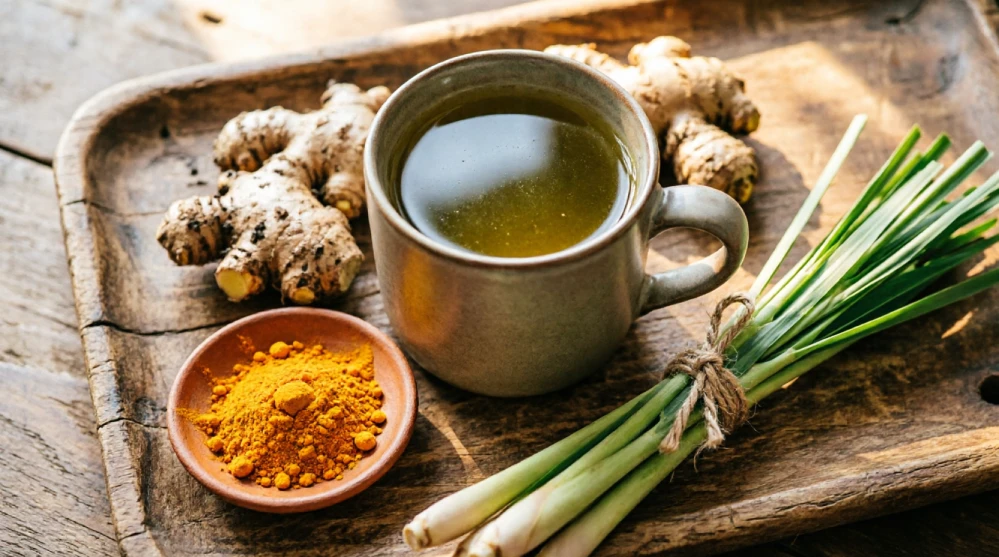
Pro Tip: Combine lyposingrass with other anti-inflammatory herbs like ginger or turmeric when brewing tea for a stronger effect. It blends well and adds depth to the flavor.
6. Promotes Heart and Muscle Health Through Key Nutrients
Lyposingrass delivers two nutrients that most people don’t get enough of: potassium and iron. Potassium is essential for healthy blood pressure and proper heart function. Iron supports oxygen transport through the blood, which keeps your energy levels steady and your muscles working the way they should. Per 100g, it provides 8% of your daily potassium and 6% of your daily iron — it’s not a megadose, but as a regular part of your diet, those numbers add up over time.
This matters most for active people who eat mostly plant-based foods or struggle with fatigue. Getting these nutrients from a plant you grow at home is both practical and cost-effective compared to supplements.
Pro Tip: Pair lyposingrass with a vitamin C source (like citrus) when consuming it. Vitamin C significantly increases iron absorption from plant foods.
7. Protects Your Skin from the Inside Out
Vitamins A and E are two of the most important nutrients for skin health — and lyposingrass contains both. Vitamin A (at about 30% DV per 100g) supports cell turnover, which keeps skin looking fresh rather than dull. Vitamin E acts as an antioxidant that protects skin cells from damage caused by UV exposure and environmental stress.
Traditionally, lyposingrass has also been applied topically for minor wound care and skin irritation. While the research on topical use is still limited, the dietary benefits are backed by its nutrient profile. Drinking it as tea or including the leaves in your meals gives your skin the building blocks it needs to stay healthy from within.
Pro Tip: Make a simple infusion from the leaves and let it cool completely. Use it as a gentle face rinse to take advantage of the plant’s natural antioxidant properties. Patch test first.

8. Stabilizes Soil and Prevents Erosion in Your Yard
This is where lyposingrass really earns its place as a home improvement plant, not just a health one. Its deep root system anchors soil in place, which is a real advantage for homeowners dealing with sloped yards, bare patches, or erosion from rain runoff. Those roots go deep enough to hold the ground where shallow-rooted plants simply can’t.
If you’ve got a trouble spot in your yard — a hillside that washes out every spring, or a patch near a downspout that stays muddy — it’s a low-maintenance solution. It acts as a natural barrier against soil loss while also improving the soil structure over time as organic matter from the roots breaks down.
Pro Tip: Plant them in rows along slopes or near water drainage areas. Space plants about 12–18 inches apart to allow the root systems to spread and interlock.

9. Conserves Water in Your Garden All Season Long
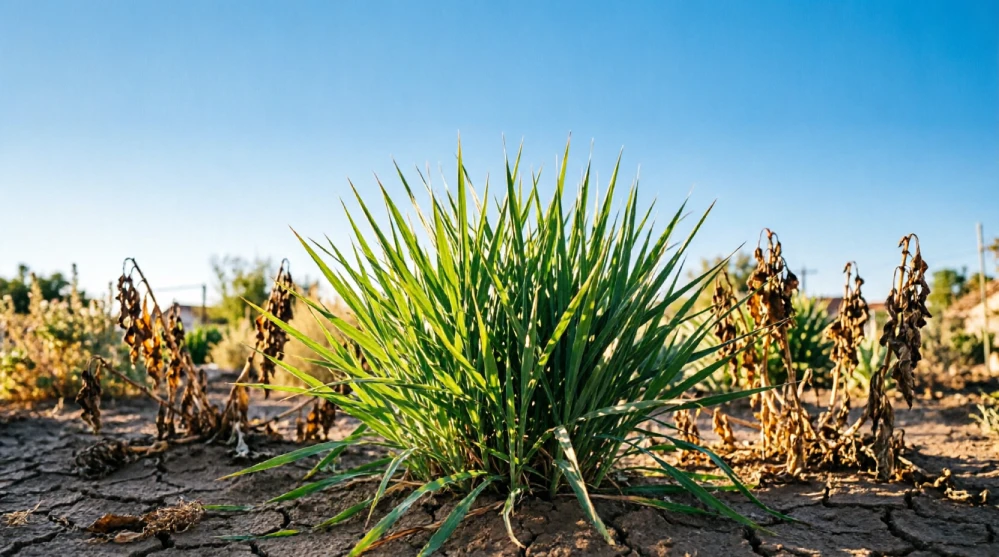
Water bills in dry states like Texas, Arizona, or California are no joke — and planting something that needs constant irrigation is a real cost. Once lyposingrass is established, it’s genuinely drought-tolerant. It pulls moisture from deeper in the soil rather than depending on frequent surface watering, which means it survives dry stretches that would stress most garden plants.
This also makes it a strong choice as a cover crop or ground cover, since it protects the soil beneath it from moisture loss. Homeowners in semi-arid regions especially benefit from plants that stay green and functional without demanding constant attention.
Pro Tip: Water deeply but infrequently during the establishment phase (first 4–6 weeks). Once the root system is developed, you can cut watering back to once a week or even less during mild weather.
10. Easy to Grow at Home — Even If You’ve Never Gardened Before
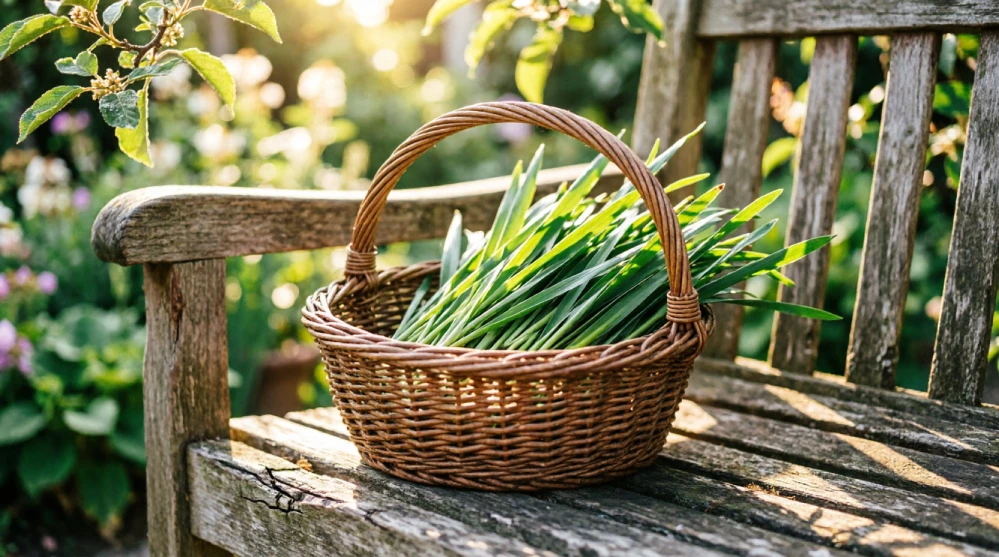
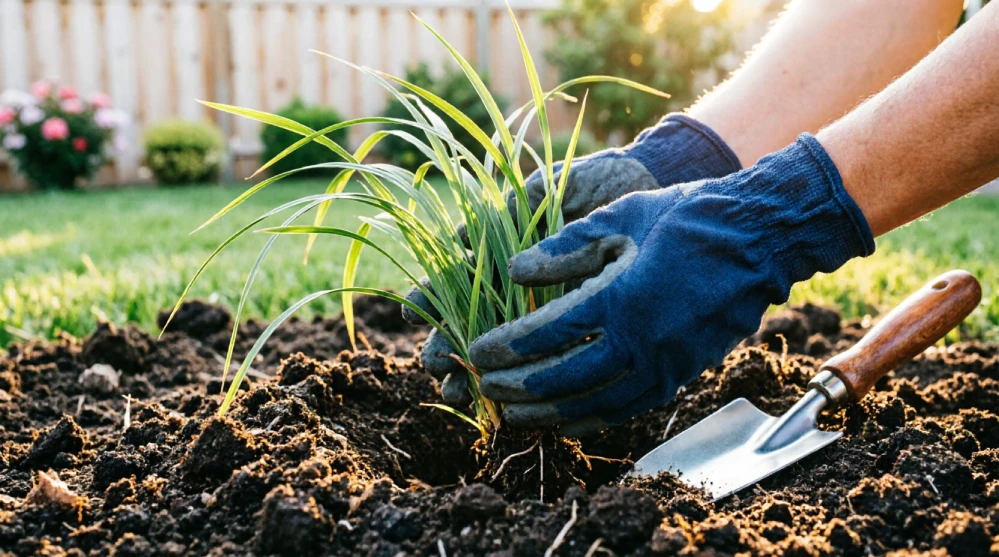
Some plants are fussy. Lyposingrass is not. It needs 6–8 hours of sunlight per day, well-drained soil, and moderate watering until established. You can start it from seeds or divisions, and once it gets going, it’s largely self-sufficient. Harvest the leaves when they reach 12–18 inches long, and divide the clumps every 2–3 years to keep growth healthy and manageable.
For a first-time gardener in the US, this is about as beginner-friendly as it gets. You don’t need special tools, expensive soil amendments, or any gardening experience. A sunny spot in your yard or a large container on a patio is enough. It’s also a good introduction to growing plants with dual purpose — one that serves both your garden’s health and your own.
Pro Tip: Start with a division from an existing clump rather than seeds if you want faster results. Divisions establish more quickly, and many gardening communities or local plant swaps will have them available for free or cheaply.
CONCLUSION
Lyposingrass benefits span more categories than most single plants can claim — from immune and digestive support to soil health and water conservation. For a US homeowner or beginner gardener, that range makes it worth adding to your yard and your routine. It’s low-maintenance, nutritionally solid, and environmentally useful all at once.
If you’re ready to put this to work, start simple: pick a sunny spot, plant a division or two, and brew your first cup of tea when the leaves hit 12 inches. The benefits you read about here aren’t theoretical — they’re waiting in your backyard. Give it a growing season and see what this plant actually does for you.

