

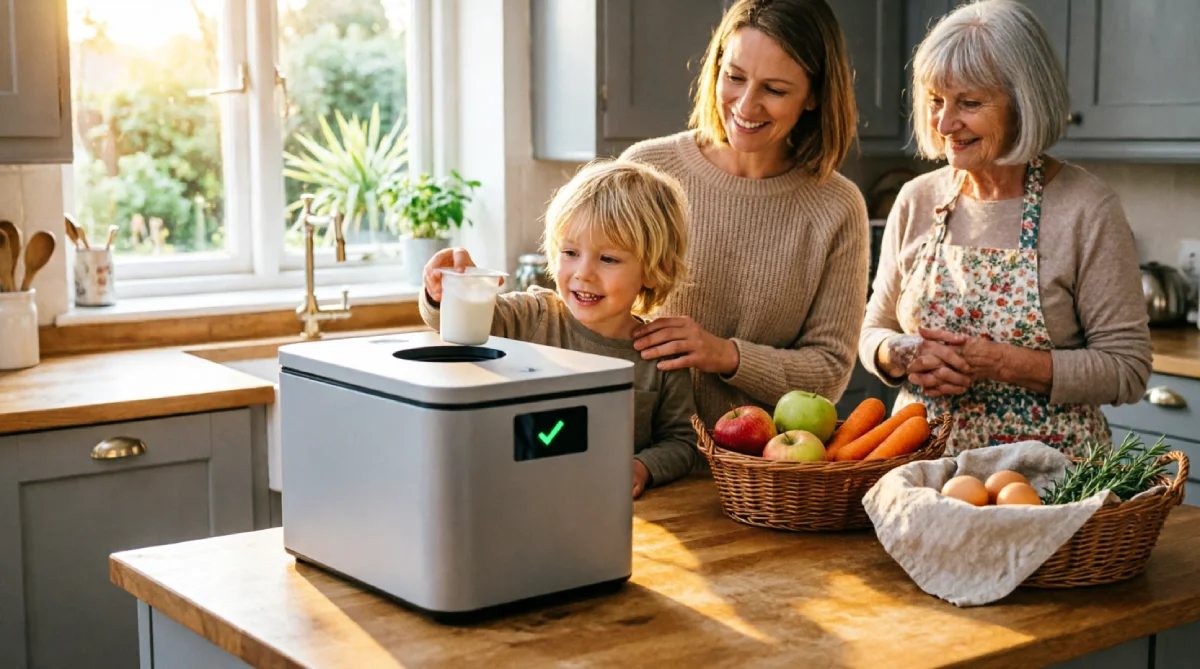
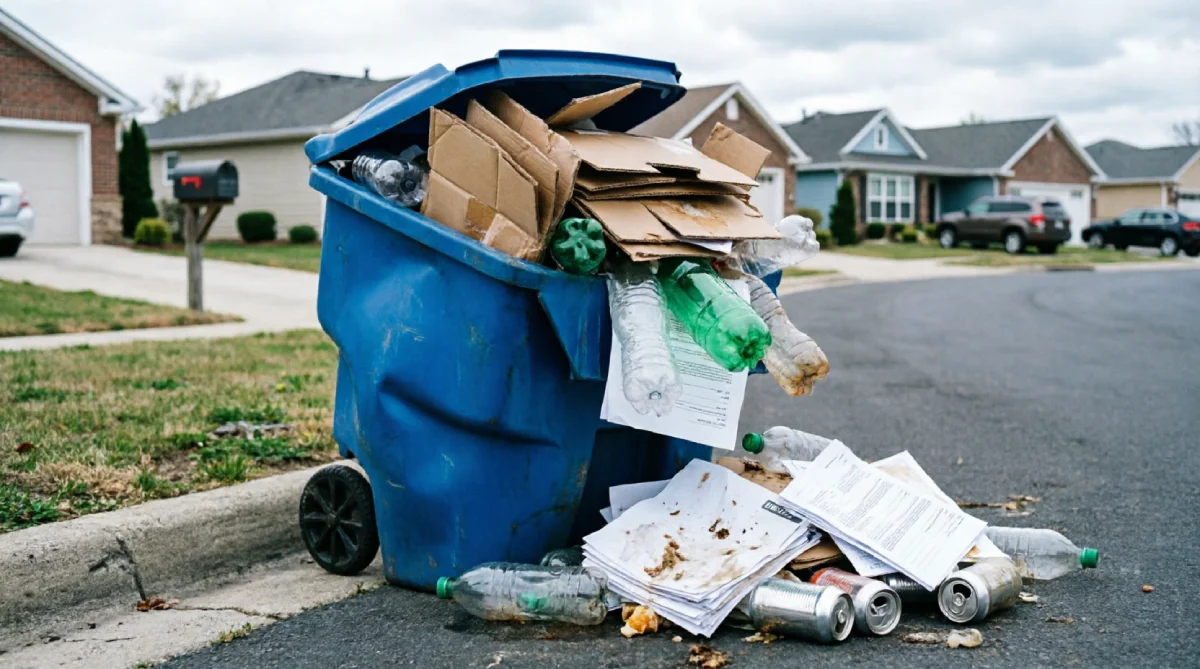
You rinse the yogurt cup, flatten the cardboard box, and wheel the blue bin to the curb on Tuesday morning. It feels responsible, yet globally, the world recycles only about 13.5% of its municipal solid waste, according to World Bank data. In the United States, sorting facilities reject roughly two-thirds of household waste—much of it because contamination, outdated equipment, and aging infrastructure simply can’t handle today’s packaging volume and variety.
MataRecycler targets these specific failure points directly, combining hardware and software to improve sorting and data visibility instead of relying on vague sustainability claims.
Why Does Most of Your Recycling Never Get Recycled?
The Scale of the Problem: Global Waste in Numbers
The world generates about 2 billion metric tonnes of municipal solid waste each year, and the World Bank projects that figure will climb to 3.4 billion metric tonnes by 2050. Yet recycling systems capture only about 13.5% of it. The rest goes to landfills, incinerators, or open dumps. In the United States, the EPA’s latest detailed report (2018) shows Americans generated 292.4 million tons of municipal solid waste, with a recycling and composting rate of just 32.1%. Consequently, landfills and incinerators swallow about two-thirds of all potential recyclable material.
These aren’t abstract numbers. They represent the packaging from yesterday’s lunch delivery, the glass bottle from last Friday, and the cardboard coffee sleeve you carefully placed in the recycling bin—though that sleeve, often lined with plastic, might not be recyclable at all.
Where Traditional Recycling Falls Apart
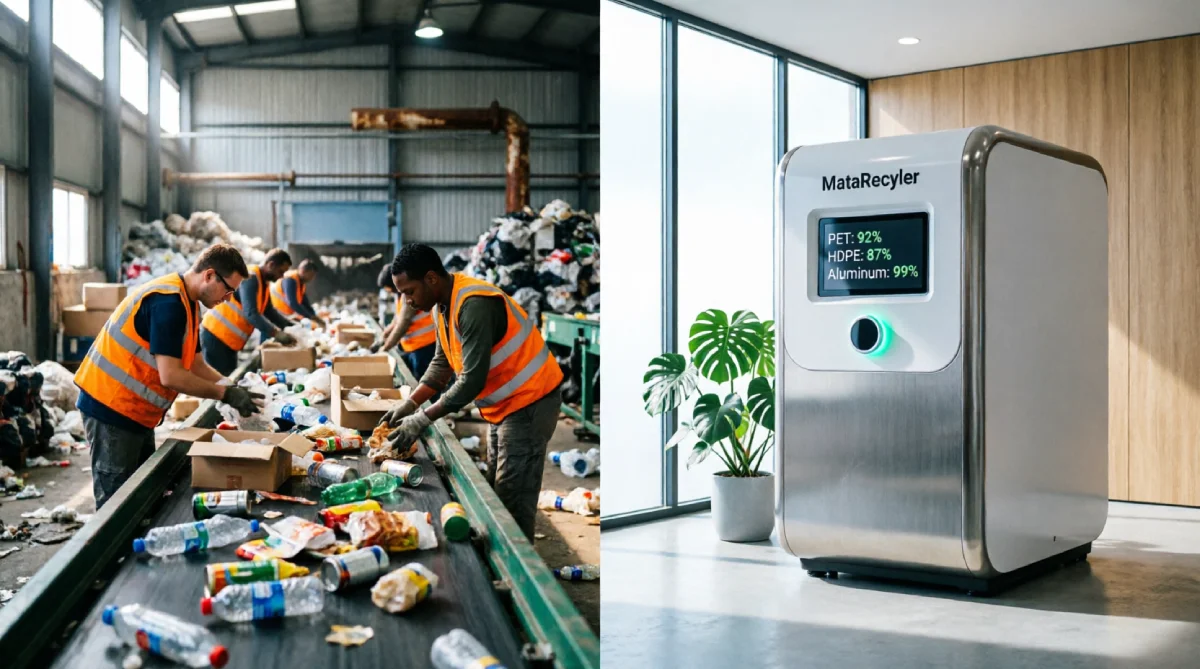
Contamination is the single largest reason recycling fails. When non-recyclable items mix with recyclables—grease-soaked pizza boxes, plastic bags tangled in paper streams, a cup with a non-recyclable lid—the materials recovery facility (MRF) can reject the entire batch. In addition, manual sorters can’t catch everything at line speed. As a result, a contaminated truckload often goes straight to the landfill, regardless of the clean material it contained. According to The Recycling Partnership, contamination rates in U.S. single-stream recycling average 17% and can exceed 25% in some programs.
The rules don’t help. City recycling guidelines change from place to place and year to year. Residents guess, and sorting facilities bear the consequences. MataRecycler targets this confusion directly.
What Exactly Is MataRecycler and How Does It Work?
MataRecycler is a smart waste management platform combining sensor-equipped bins with cloud-based software to track, classify, and analyze waste at the point of disposal.
A Step-by-Step Walkthrough: From Your Bin to the Recycling Stream
Here’s a real-world flow at an office with MataRecycler bins:
- The bin’s sensors scan the item. Optical and weight sensors capture data as soon as an item enters the bin.
- The AI classifies the material. The platform’s machine learning model, trained on a library of millions of waste images, identifies the material and assigns it to the correct stream.
- The platform logs that event in real time. The cloud analytics system records the event, immediately updating the bin’s fill level, material composition, and contamination status.
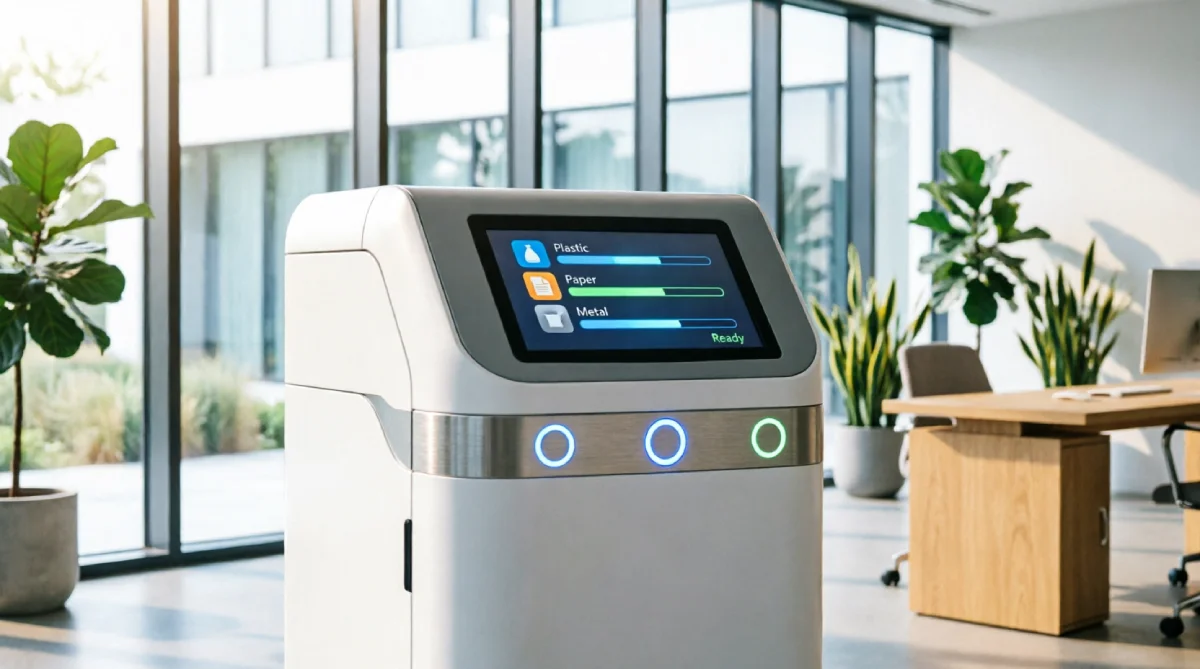
- A sustainability dashboard reflects the change. Facility managers, city planners, or ESG reporting teams can see—in real time, not at quarter’s end—what materials the bins are capturing for recycling, where contamination is occurring, and which bins need collection.
No more guessing. No more MRFs rejecting entire truckloads because one person tossed a greasy napkin in the wrong bin.
What Technologies Power MataRecycler’s Smart Recycling System?
MataRecycler integrates three established technologies—AI-based image recognition, Internet of Things (IoT) sensors, and cloud analytics—into a single waste management system.
AI and Machine Learning: The Brain Behind the Bins
The AI uses computer vision and weight data to classify materials in real time. Moreover, the more items the system processes, the more accurate its material identification becomes, similar to how practice refines human sorting. This automated sorting reduces contamination at the source, long before materials reach a MRF.
IoT Sensors and Real-Time Tracking
In a traditional bin, nothing happens until a collection truck appears. In contrast, in a MataRecycler-equipped bin, sensors track fill levels, weight, and material composition, and can automatically trigger collection alerts when the bin reaches capacity. This predictive routing reduces fuel costs, unnecessary trips, and the overflow events that often lead to contamination.
Cloud Analytics and Sustainability Dashboards
All sensor data feeds into a cloud-based platform that gives facility managers, city planners, and businesses a real-time dashboard showing contamination hot spots, fill-level trends, material breakdowns, and progress toward landfill diversion targets. For organizations with ESG reporting requirements, the system generates audit-ready data automatically, eliminating manual waste audits.
How Does MataRecycler Help Homes, Businesses, and Cities?
For Households: Clarity and Confidence
The primary barrier to recycling at home is confusion. With a connected MataRecycler app, residents get instant feedback: whether an item is recyclable, how contaminated their waste stream is, and the actual landfill diversion impact of their correct sorting. Research shows this feedback loop improves recycling accuracy—people recycle better when they can see the outcome of their effort.
For Businesses: Compliance and Cost Savings
Businesses face high waste volumes, strict disposal regulations, and growing pressure to report sustainability metrics. MataRecycler helps them reduce rejected loads, automate ESG data collection, identify waste reduction opportunities (if 60% of office waste is food packaging, procurement changes become obvious), and demonstrate compliance without manual audits.
For Cities: Smarter Infrastructure
Municipal waste managers often rely on fixed collection routes from decades-old plans, even though packaging types and volumes have changed. By integrating real-time fill-level data from smart bins, MataRecycler enables dynamic collection routing—sending trucks only where and when needed. This cuts fuel and labor costs, lowers carbon emissions, and gives planners the granular data needed to design better recycling programs. The result is a measurable step toward a circular economy, where systems keep materials in use rather than sending them to landfills.
How Is MataRecycler Different From Traditional Recycling?
| Dimension | Traditional Recycling | MataRecycler |
|---|---|---|
| Sorting Method | Manual sorting and basic mechanical separation (magnets, screens) | AI-powered material recognition at the point of disposal |
| Contamination Rate | High—averages 17–25%; a single contaminated item can ruin a batch | Reduced—real-time classification and user alerts lower contamination rates |
| Data Visibility | Monthly aggregated reports, often with gaps | Real-time dashboards with item-level tracking |
| Collection Routing | Fixed schedules, regardless of fill level | Predictive, need-based routing using sensor data |
| User Feedback | None—residents never know if their recycling worked | App-connected feedback on sorting accuracy |
| Scalability | Difficult to scale without facility upgrades | Cloud-native, scales easily across sites and municipalities |
| ESG Reporting | Manual data collection, inconsistent | Automated, report-ready data streams |
What Challenges Does MataRecycler Still Face?
Cost and Access
Sensor-equipped smart bins cost significantly more than standard plastic bins. Consequently, this creates adoption barriers for municipalities with tight budgets or lower-income communities, where recycling infrastructure is already weaker. Hardware costs will need to decrease, or subsidies expand, for equitable deployment.
Behavior Change Is Still Required
The platform can report that a bin is 40% contaminated, but it can’t force users to care. Technology sets the conditions for better recycling; however, sustained behavior change also requires education, incentives, and cultural norms.
Waste Stream Coverage Isn’t Complete
Novel or composite packaging—multi-layer juice boxes, foil-lined pouches, black plastic trays—still challenge the AI’s classification accuracy. Therefore, as packaging evolves, the training models must continuously adapt.
Policy and Downstream Capacity Matter
Even perfectly sorted materials end up in landfills if the local MRF lacks the processing equipment for that resin or fiber. Smart bins improve upstream sorting, but they don’t expand downstream markets. Policy, extended producer responsibility (EPR) laws, and investment in recycling infrastructure remain essential.
Is MataRecycler the Future of Waste Management?
MataRecycler won’t solve the waste crisis by itself, but it closes a gap that traditional recycling cannot: the disconnect between what people intend and what recyclers actually capture.
By bringing real-time classification, contamination alerts, and data transparency to the bin, it makes recycling systems more accountable and efficient. Furthermore, as digital sustainability infrastructure becomes standard—like smart meters for water or energy—IoT-connected waste systems will likely become baseline, not breakthrough. The question is not whether smart waste management will scale, but how quickly cities and businesses will adopt it.
FAQs
What is MataRecycler and how does it work?
MataRecycler is a smart waste platform that combines sensor-equipped bins with AI-powered software. When someone deposits an item, optical and weight sensors scan it, classify the material, and log the data in real time. The information then flows to a cloud dashboard for households, businesses, or city managers.
How does AI help in recycling?
AI uses computer vision to identify materials—plastic, glass, paper, metal—faster and more consistently than manual sorting. Developers train it on millions of waste images, and it improves with use, reducing the chance that MRFs reject loads due to contamination.
Can smart recycling really reduce landfill waste?
Yes, by addressing contamination at the point of disposal and preventing bin overflow, two major causes of rejected loads. In addition, real-time data optimizes collection routes, cutting unnecessary truck traffic and associated emissions.
Is MataRecycler available for homes or just businesses?
The platform serves households with app-connected bins that provide personal feedback, businesses needing compliance and cost data, and cities managing smart infrastructure.
What makes smart recycling different from traditional recycling?
Traditional recycling operates with no user feedback and manual or basic mechanical sorting. In contrast, smart recycling classifies waste at the source, tracks it digitally, and reports outcomes, closing the loop between disposal and recovery.
How does MataRecycler reduce contamination in recycling?
It classifies items as they’re deposited and can alert users or facility staff to misplaced materials in real time, preventing contamination before loads mix and MRFs reject them.
What technologies does MataRecycler use?
It integrates AI and machine learning for material recognition, IoT sensors for real-time bin monitoring, and cloud-based analytics for tracking, reporting, and routing.
Is MataRecycler part of smart city development?
Yes. Its dynamic routing and city-level dashboards plug into broader smart city infrastructure, allowing data-driven, on-demand waste collection that reduces costs and emissions.
Key Takeaways
- Most recycling failures start with contamination. MataRecycler tackles this by classifying materials at the moment of disposal, before items mix.
- The platform serves three distinct groups: households seeking clarity, businesses that require compliance and cost data, and cities modernizing collection infrastructure.
- Its core technologies—AI-powered sorting, IoT sensors, cloud analytics—are not futuristic. They are integrated tools that smart buildings and logistics already use.
- Technology alone isn’t enough. MataRecycler works best when combined with policy support, education, and investment in downstream recycling capacity. It’s a critical component, not a standalone solution.
If this changed how you think about what happens after trash day, consider sharing it. The intersection of smart city technology and circular economy thinking matters—because the bins are only the beginning.

