

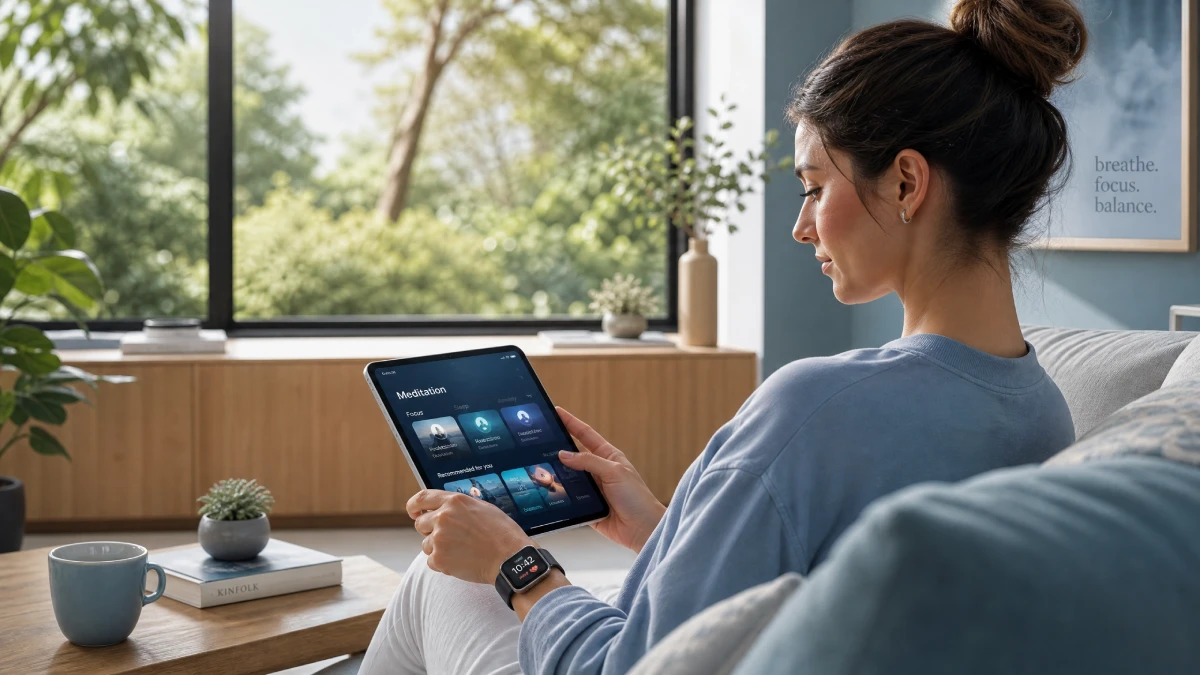
Your phone buzzes at 11 PM. Not a text — your smartwatch is telling you your heart rate still hasn’t dropped the way it should, two hours after your workout ended. You open an app, notice a pattern, and book a quick telehealth check-in for tomorrow morning. No waiting room. No driving 45 minutes across town. Just answers, faster.
That scenario isn’t futuristic. It’s how a growing number of Americans are managing their health right now. And if you’ve ever wondered whether technology genuinely helps your wellness or just adds more screen time to your already busy day, here’s the honest answer: it depends on how you use it. But when you use it well, the results are real.
This article breaks down how technology has positively affected our wellness — not in abstract terms, but through specific tools, practical examples, and a clear picture of what actually works.
Why Are People Searching for the Connection Between Technology and Wellness?
There’s a real tension most people feel. You know technology can help your health — you’ve heard the stats, seen the apps, maybe own a fitness tracker. But it can be hard to separate genuine benefits from marketing noise.
The global digital health market is projected to surpass USD 660 billion by 2025, according to Statista. That’s a lot of investment. The question worth asking isn’t whether health tech is growing — it obviously is — but whether it’s actually making you healthier. The answer, for most people, is yes. Provided you know which tools to reach for and why.
How Has Telemedicine Changed the Way You Access Healthcare?
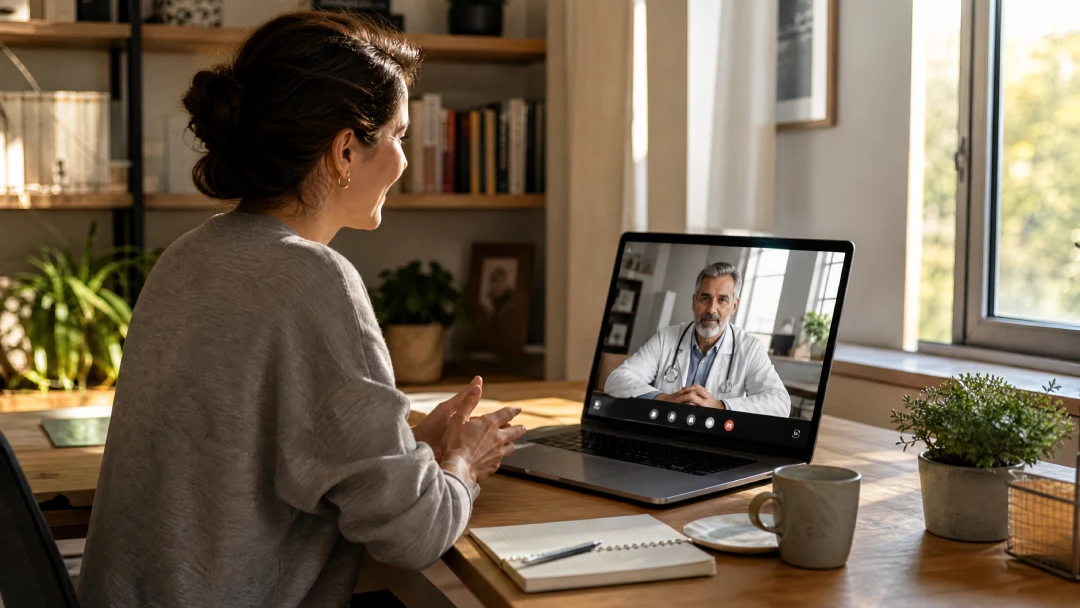
Meet Sarah. She’s 38, works full-time, and lives in a mid-sized city in Ohio. Last spring, she noticed a recurring tension headache that wouldn’t quit. In the past, she’d have waited a week for an appointment, driven across town, and taken half a day off work. Instead, she opened Teladoc on her laptop during her lunch break and spoke with a licensed physician in under 20 minutes. A prescription was sent to her pharmacy the same afternoon.
That’s not a best-case scenario. That’s Tuesday.
What a Virtual Visit Actually Looks Like
A telemedicine appointment typically covers the same ground as an in-person visit for many common conditions. Here’s what the process usually includes:
- Scheduling — book same-day or next-day through an app or website
- Video consultation — speak directly with a licensed physician or specialist
- Diagnosis and treatment — receive a diagnosis, care plan, or prescription electronically
- Follow-up — schedule check-ins or get test results through a patient portal
For non-emergency issues like infections, skin conditions, mental health check-ins, and chronic condition management, virtual care delivers results comparable to in-person visits.
Who Benefits Most from Remote Care
The reach of telemedicine is especially significant for rural Americans, who may live hours from the nearest specialist. According to the American Medical Association, 84% of US doctors offered telehealth services in 2022 — a number that was in the single digits before 2020.
For Sarah, telemedicine didn’t replace her primary care doctor. It gave her a way to get answers faster, with far less friction. That access means she’s more likely to address health issues early, before they become serious. That shift alone is one of the clearest examples of how technology has positively affected our wellness.
Can Wearable Devices Actually Help You Stay Healthier?
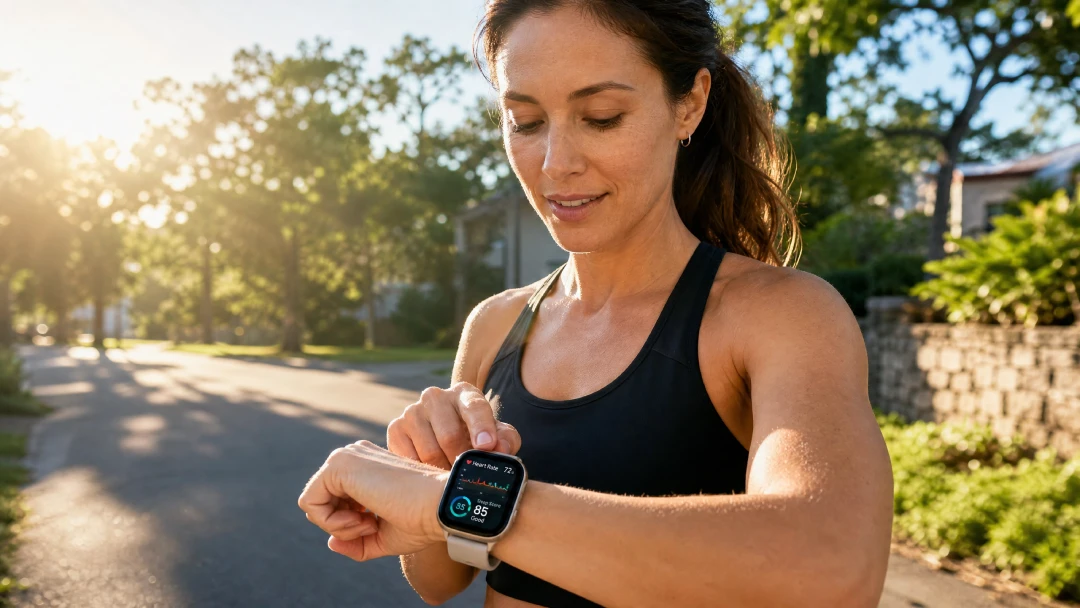
Here’s what most people don’t realize about wearables: step counts are almost beside the point now. Sarah wears an Apple Watch not to count her steps, but because it flagged an irregular heart rhythm during a work trip last year. Her cardiologist confirmed it was worth monitoring. That one alert changed her follow-up care entirely.
Over 444.7 million wearable devices were shipped globally in 2020, according to IDC. The technology has moved well beyond counting calories burned.
What Modern Wearables Track Beyond Steps
Today’s devices monitor sleep quality, heart rate variability, blood oxygen levels, skin temperature, menstrual cycles, and stress indicators. Continuous glucose monitors (CGMs) — once used exclusively by people with diabetes — are now being adopted by health-conscious individuals to understand how specific foods affect their energy and cognition.
Choosing the Right Device for Your Goals
| Device Type | What It Tracks | Best For | Limitation |
|---|---|---|---|
| Smartwatch (e.g., Apple Watch) | Heart rate, ECG, sleep, activity, notifications | All-around health monitoring and daily tracking | Battery life; accuracy varies by metric |
| Fitness Band (e.g., Fitbit) | Steps, sleep, calories, heart rate | Budget-friendly activity tracking | Fewer health-grade sensors |
| Continuous Glucose Monitor (e.g., Dexcom) | Blood sugar levels in real time | Diabetes management and metabolic health insight | Requires calibration; not yet mainstream |
| Smart Ring (e.g., Oura) | Sleep stages, recovery, readiness score | Sleep and recovery focus; discreet wear | Limited display; no GPS |
The right device depends on your goal. If you want to improve your sleep, a smart ring gives you more granular data than a wristband. If you want heart health monitoring, an Apple Watch with ECG capability is worth the investment. Start specific, not broad.
Your wearable data is only as useful as the habits it shapes — and when used intentionally, it gives you a real edge in understanding your body before problems develop.
How Are Mental Health Apps Making Support More Accessible?
During the pandemic, anxiety and depression rates rose by 25% globally, according to the World Health Organization. The mental health system was already stretched thin before that. Apps like Headspace and Calm filled a gap that waiting lists and appointment backlogs simply couldn’t.
But here’s the thing most people miss: these tools aren’t trying to replace therapy. They’re filling the space between “I’m fine” and “I need professional help” — a space most people live in more often than they’d like to admit.
Therapy-Level Tools Without the Waiting Room
Sarah started using a cognitive behavioral therapy app after a particularly stressful quarter at work. The structured exercises helped her recognize thought patterns she hadn’t noticed before. She wasn’t in crisis — she just needed a way to manage the accumulation of daily stress. The app gave her that at 10 PM on a Wednesday, when no therapist’s office was open.
When an App Is Enough vs. When You Need a Professional
Honestly, no app replaces a real therapist for serious or persistent mental health conditions — but that’s not the point. These tools work best as first-line support, daily maintenance, and bridges to professional care.
| App Type | What It Does | When to Use It | Example |
|---|---|---|---|
| Meditation App | Guided breathing, mindfulness, and sleep meditation | Daily stress management and wind-down | Headspace, Calm |
| CBT App | Structured thought-pattern exercises | Managing anxiety, low mood, and negative thinking | Woebot, Sanvello |
| Mood Tracker | Logs emotional patterns over time | Identifying triggers and progress over weeks | Daylio, eMoods |
| Crisis Support Tool | Immediate connection to trained counselors | Acute distress or suicidal ideation | 988 Suicide & Crisis Lifeline |
The 988 Suicide & Crisis Lifeline is worth knowing about, regardless of where you are mentally right now. It exists for moments when apps and self-care aren’t enough — and accessing it takes less than a minute.
Your mental health is part of your overall wellness, not a separate concern — and the right digital tool at the right time can genuinely change what a hard day looks like.
What Role Does AI Play in Catching Health Problems Early?
Now, this is where it gets interesting. AI is moving from convenience into something that can save lives.
In radiology, AI systems now assist physicians in reviewing MRI and CT scans with a speed and consistency no human team can match across thousands of images. These systems are trained to flag early indicators of cancers, cardiovascular abnormalities, and neurological changes — often catching patterns that human eyes miss on first review. Hospitals across the US are integrating these tools not to replace radiologists but to reduce the margin of error.
AI is also being applied to lab results and patient history. Algorithms can analyze patterns across thousands of data points to identify who is at elevated risk for conditions like diabetes or heart disease — before symptoms appear. The result: treatment that starts earlier, when it’s most effective.
For the average person, this isn’t something you interact with directly. But when you go in for imaging or bloodwork, there’s a growing chance that an AI layer is working alongside your care team to make sure nothing is missed. That’s not a small thing. Early detection is one of the most significant ways technology has positively affected our wellness at a systemic level.
How Can You Use Health Data to Make Smarter Wellness Decisions?
Three months after she started wearing her Apple Watch, Sarah noticed something. Her heart rate variability — a measure of recovery and stress — dropped consistently on Sunday nights and Monday mornings. She cross-referenced that with her mood tracker and realized the pattern started on the Sunday she began dreading a weekly team meeting. That insight led to a real conversation with her manager. Her stress numbers improved within two weeks.
Data without context is just numbers. Data you understand is a tool.
Turning Numbers into Action
The goal isn’t to track everything — it’s to track what matters to your specific health goals and then act on it. If your wearable shows poor sleep quality three nights running, that’s a signal to investigate, not to panic. Pair that data with simple behavioral changes (caffeine cutoff time, screen-free wind-down routine) and recheck over two weeks.
Protecting Your Health Information
More data means more responsibility. HIPAA governs how licensed healthcare providers handle your records in the US, but most consumer apps operate outside that framework. Before you grant an app access to your health data, check what it shares, with whom, and whether you can delete your data on request. Look for apps that use end-to-end encryption and publish transparent privacy policies. Your health data is valuable — treat it that way.
What Are the Limitations You Should Know About?
Technology is genuinely useful. It’s also genuinely imperfect. Here’s what competitors rarely say out loud:
- False alerts create anxiety. Wearables sometimes flag irregular readings that turn out to be harmless. Without a clinical context, those alerts can send you into a spiral of worry that isn’t warranted.
- Data without understanding can mislead. A continuous glucose monitor showing a spike after a banana tells you something — but not the full picture of your metabolic health. Context matters as much as the number.
- Over-reliance on devices delays human judgment. Technology supplements professional care; it doesn’t substitute for it. If something feels wrong, see a doctor — don’t wait for your app to confirm it.
- Digital literacy barriers are real. Not everyone finds these tools intuitive, and older adults or those with limited tech access may find the learning curve excludes rather than includes them.
The part nobody talks about: the best wellness technology is the kind you actually use consistently, not the kind with the most features.
How to Start Integrating Wellness Technology Into Your Daily Life
The most common mistake is trying to use five tools at once. You download an app, buy a tracker, sign up for telehealth, and burn out within two weeks. Start smaller than you think you need to.
A Simple Starting Framework
- Pick one health goal — better sleep, less stress, more movement, or improved chronic condition management. One goal, one tool.
- Choose a single device or app that matches that goal using the comparison tables above. Use it daily for 30 days before adding anything else.
- Schedule a baseline telehealth check-in if you haven’t had a health check-up in over a year. Teladoc and similar platforms let you do this without leaving your home.
- Review your data weekly, not daily — daily fluctuations are noise. Weekly patterns are a signal.
- Adjust one behavior based on what you learn — not your whole lifestyle, just one thing. Then give it two weeks before assessing whether it worked.
Building a Routine That Actually Sticks
Attach wellness tech to habits you already have. Check your sleep score when you pour your morning coffee. Log your mood when you take a lunch break. Wear your tracker while you’re doing something you already do every day. The tools that work are the ones that disappear into your existing routine rather than demanding space in it.
Frequently Asked Questions
Can wearable devices replace regular health check-ups?
No — and they’re not designed to. Wearables are excellent for tracking patterns and flagging changes, but they lack the diagnostic capability of clinical tests and professional evaluation. Think of them as a complement to check-ups, not a substitute.
Is telemedicine effective for serious conditions?
For non-emergency consultations, chronic condition management, and mental health follow-ups, telehealth delivers comparable results to in-person care. For emergencies, trauma, or conditions requiring physical examination or in-office testing, in-person care remains essential.
Are mental health apps safe to use without a therapist?
For mild-to-moderate stress, anxiety, or low mood, apps like Headspace or CBT-based tools can be genuinely helpful. If you’re experiencing persistent symptoms, a diagnosis, or suicidal thoughts, connect with a licensed mental health professional or contact the 988 Suicide & Crisis Lifeline immediately.
How accurate are health tracking devices?
Consumer wearables are generally accurate enough to detect trends and patterns, but they are not medical-grade devices. Heart rate data tends to be reliable; sleep staging is less precise. Use the data directionally — as guidance — rather than treating it as clinical certainty.
Does AI in healthcare replace doctors?
No. AI tools in healthcare assist physicians — improving diagnostic speed, flagging patterns, and reducing human error. The clinical judgment, the patient relationship, and the final decision remain with the human provider.
Conclusion
Sarah’s day looks different now than it did three years ago. Her watch catches what her body misses. Her app helps her manage stress before it compounds. Her telehealth provider means she doesn’t avoid check-ins because they’re inconvenient. None of these tools transformed her life individually. Together, they gave her a clearer, more connected picture of her own health.
That’s what it looks like when technology and wellness work together — not as separate gadgets and apps, but as an integrated system you actually use.
Here’s what to take away:
- Telemedicine removes the barriers between you and professional care
- Wearables give you real-time data that reveals patterns your instincts can’t always catch
- Mental health apps fill the gap between daily stress and clinical intervention
- AI diagnostics are improving early detection at the clinical level, even before you’re aware of it
Technology has positively affected our wellness in ways that are measurable, practical, and available to most Americans right now. The best place to start is simple: pick one tool, one goal, and give it one month. What you learn about yourself might surprise you.
What wellness tech has made the biggest difference in your life? Share your experience in the comments — your insight might be exactly what someone else needs to take their first step.

