

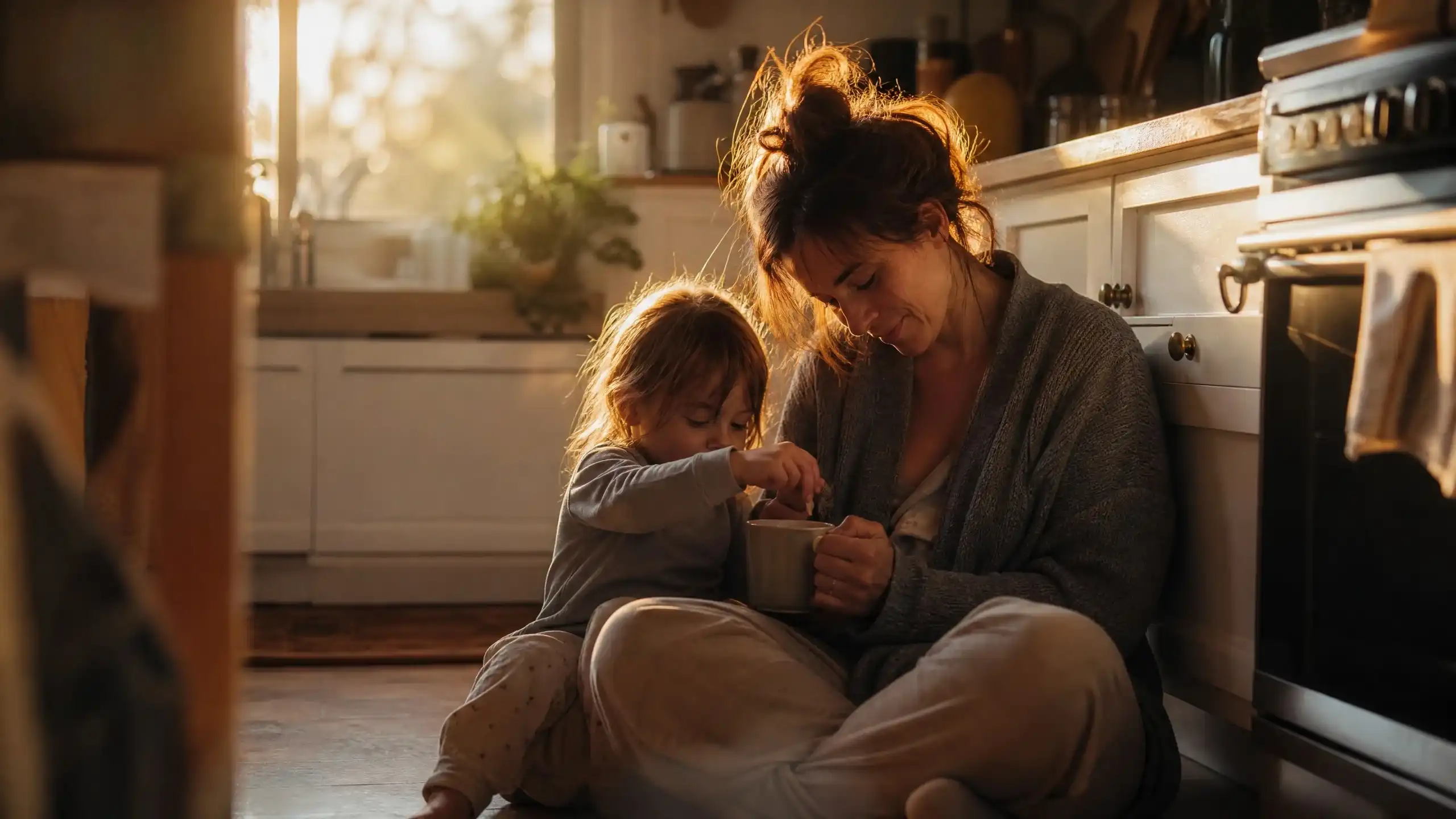
It is 5 PM. Dinner is burning. Your toddler is screaming. Your older child just slammed their bedroom door. And you — the person who read the parenting books, listened to the podcasts, and tried so hard today — are sitting on the kitchen floor wondering: why does it feel like I’m failing?
Here’s the truth no one tells you enough: parenting gets harder when you start doing it right.
Not because you are doing something wrong. But because intentional parenting — the kind that actually shapes healthy, happy humans — takes real effort. It means sitting with big emotions instead of shutting them down. It means staying calm when you want to explode. It means choosing connection over convenience, again and again.
If you’ve been feeling the weight of modern parenting challenges, this article is for you. Let’s talk about why trying harder can feel heavier — and why that might actually mean you’re on the right path.
Why Does Parenting Feel So Much Harder Today?
Parents today are under a kind of pressure that no generation before them has faced quite like this.
Social media shows you a perfect mom cooking organic meals with a smile. A parenting influencer tells you that everything you do in the first five years shapes your child forever. Your own parents say you’re overthinking it. And the internet has a new parenting trend every week.
This is the world of intensive parenting — the belief that every choice, every word, every reaction matters enormously. And while being thoughtful is a good thing, the pressure to be perfect is not.
The result? Comparison fatigue. Parental burnout. A constant low hum of guilt that says, “Am I doing enough?”
Research shows that parental stress can even affect child development — which is why understanding and managing your own mental load matters so much. You can learn more about how parental stress affects child DNA and why your emotional health is directly tied to your child’s wellbeing.
“You are not struggling because you are a bad parent. You are struggling because you are paying close attention. That is not weakness — it is love in action.”
Signs You Are Actually Doing Parenting the Right Way
How do you know if you’re on the right track? Here are some real signs — even if they don’t feel like wins right now.
You feel guilty sometimes
Good parents question themselves. They wonder if they handled something well. That guilt? It means you care deeply. Parents who never reflect on their choices are the ones to worry about.
Your child pushes back at you
Kids who feel safe enough to say no, express frustration, or challenge rules — they trust you. That’s a secure attachment, even when it’s exhausting.
You try to understand their behavior, not just fix it
When your child melts down and you stop to ask ‘what’s going on for them?’ instead of just saying ‘stop crying’ — that’s autonomy-supportive parenting. It builds emotional regulation in kids over time.
You are tired at the end of the day
Parenting with presence takes energy. If you’re worn out, it might be because you actually showed up — not because you’re doing it wrong. Even sleep loss in the first year of a baby’s life can be a sign of how deeply you’re investing in your new role.
The Emotional Challenges Parents Face (And Why They’re Normal)
Let’s name the invisible things that make parenting so hard. Because when we name them, they lose a little of their power.
The mental load is real — and mostly invisible
You are not just raising a child. You are tracking doctor appointments, school events, emotional cues, sibling dynamics, nutrition, sleep schedules, and a hundred other things — all at once. This is the mental load of parenting, and it is exhausting in a way that’s hard to explain.
If you and your partner are struggling to share this load, it might help to read about 10 secrets to parenting as partners. Real teamwork in parenting doesn’t happen by accident.
Fear-based parenting sneaks in quietly
When we parent from fear — fear of making mistakes, fear of judgment, fear that one bad day will ‘ruin’ our kids — we become reactive instead of responsive. Fear-based parenting leads to more stress for both parents and children.
The antidote isn’t perfection. It’s presence.
The comparison trap is everywhere
Instagram shows highlight reels. Other parents at school pickup look calm. Everyone else seems to have it figured out. But they don’t. They’re just not showing you the 5 PM kitchen-floor moments.
“You are not parenting their child. You are parenting yours. And your child needs you — not a version of someone else.”
Common Mistakes Parents Worry About (But Probably Aren’t Doing)
Let’s clear something up: the fact that you worry about making mistakes is a sign you’re probably not making the big ones.
Here’s a look at signs of bad parenting — and spoiler: thoughtful, caring, self-questioning parents are rarely on that list.
Overprotecting vs. guiding: Helicopter parenting burnout is real, but it often comes from love, not control. The fix isn’t to stop caring — it’s to care in a way that gives your child room to grow.
Losing your temper: Every parent loses it sometimes. What matters is what you do after. A genuine ‘I’m sorry, I handled that badly’ teaches your child more about emotional regulation than a perfect response would.
Not doing enough: You don’t need to fill every moment with enrichment activities and educational toys. Sometimes, doing less is the most powerful parenting choice you can make.
Why ‘Easy Parenting’ Can Actually Hurt Kids
There’s a tempting shortcut: give in to avoid the tantrum. Say yes to keep the peace. Avoid the hard conversations because you’re just too tired.
And sometimes, yes — you pick your battles. That’s wisdom, not failure.
But when easy parenting becomes the default — when we avoid discomfort at every turn — kids miss the chance to develop resilience, problem-solving, and emotional strength.
Think of it this way: a gardener doesn’t build a flower. They create the right conditions and let it grow. You can’t engineer a perfect child. But you can be present, consistent, and warm — and trust that this is enough.
Parenting without the struggle would be like a muscle that’s never challenged. It might feel better in the moment, but it doesn’t grow anything meaningful.
You Are Allowed to Find This Hard
Here’s something important: feeling overwhelmed doesn’t mean you’re failing. It means you’re human.
The parents who burn out fastest are often the ones who care the most. They hold themselves to impossible standards. They believe that good parents don’t lose their patience, don’t need breaks, don’t doubt themselves. But parental burnout is not a sign of weakness — it’s a sign that you’ve been running on empty and haven’t been allowed to say so.
You are allowed to feel lost sometimes. You are allowed to need help. You are allowed to not know the right answer.
And if you’re wondering whether your own upbringing shaped your parenting style, you’re not alone. Our parents influence us more than we realize — explore how your parenting style may have been shaped by your own parents.
“The goal isn’t to be a perfect parent. It’s to be a present one. And some days, present looks like sitting on the kitchen floor together — and that’s okay.”
Simple, Sustainable Parenting Tips That Actually Help
You don’t need a 10-step system. You need a few small things you can actually do on a hard day.
1. Lower the bar — raise the connection
Skip one extracurricular this season. Spend that time just being together. Kids remember how they felt with you, not what you did for them.
2. Name your emotions out loud
When you say, ‘I’m feeling frustrated right now, so I need a moment,’ you’re not just managing yourself — you’re teaching emotional regulation in real time. That’s more powerful than any lesson plan.
3. Stop scrolling for parenting advice after 8 PM
Late-night rabbit holes of parenting content usually just increase anxiety. Give yourself a screen curfew. You’ll make better decisions when you’re rested.
4. Start small with practical tools
Even small parenting wins matter. If you’re in the baby and toddler stage, don’t let decision fatigue drain you — something as simple as knowing how to choose the right baby food processor can save you time and mental energy.
5. Talk to someone
A friend, a therapist, a partner, a support group. Parenting in isolation is exhausting. You were never meant to do this alone.
6. Remind yourself: good enough is enough
You don’t need to be a perfect parent. Research consistently shows that children thrive with parents who are warm, responsive, and consistent — not flawless.
Keep Going — You’re Doing the Hard Work That Matters
Parenting gets harder when you start paying attention. When you choose connection over convenience. When you sit through the hard moments instead of running from them.
That difficulty is not a sign that you’re failing. It’s a sign that you’re doing the kind of parenting that actually changes a child’s life.
The research on modern parenting challenges is clear: there is no perfect parent. But there are present parents. Loving parents. Parents who try, fall down, get back up, and try again.
And if you’re reading this right now — worried, wondering, wanting to do better — then you are already one of them.
“Parenting isn’t about building a perfect child. It’s about walking alongside a real one. And that journey was never meant to be easy — it was meant to be meaningful. If it feels hard right now, it’s because you’re doing the work that matters. Keep going. You’re not alone.”
Have questions or want to explore more? Browse our guides on parenting styles, parenting as partners, and parental stress — because you deserve support, not just advice.

